
Building an Emergency Fund: The Key to Financial Resilience
When financial mistakes can happen at any time, it is mandatory to save up to be able to handle these unforeseen situations and to be financially independent in the future. An unexpected job loss, health problem, or any unplanned expenses increases the risk of unbalancing your financial situation if the proper finances aren’t available. Building an emergency fund is a piece of protection provided in every crisis, enabling you to solve these problems without using loans or diverting your long-term financial goals. By presenting you with the necessary knowledge and tools, this manual will help you build a personal emergency fund that fits your circumstances.
By following a tactical plan of forming up the money cashbox, you will have the opportunity to achieve the goal of ensuring financial security and some future worries’ absence. With its thorough approach, you will be supplied with some tools as well as tips to aim for attainable targets, automate savings, and an account that is perfect for your emergency fund. When you properly implement these plans, you will build the belief that you can handle any difficulties that come your way, this will help to ensure that your financial position does not get off track.
Key Takeaways:
- Building an emergency fund provides a safety net during financial crises.
- Set realistic goals and automate your savings to maintain consistency.
- Emergency funds should ideally cover three to six months of essential living expenses.
- Regularly review and adjust your fund based on lifestyle or financial changes.
- Staying disciplined and avoiding premature withdrawals is crucial.
Exploring the Key Concepts of an Emergency Fund.
A good emergency fund plays a vital role as its financial safety mechanism whenever life gives you crucial situations. This is an entirely different kitty from emergency expenditures and is a stand-alone money cache meant for unexpected costs like medical fines or car damage or sudden unemployment. The provision of an emergency fund will make certain that you are stress-free by ensuring that you will never incur debt due to a lack of funds to cover certain immediate expenses. The priority of a savings fund is to ensure the same level of finance in the unexpected.
Setting Realistic Savings Goals

Unlike the fact that many people have the same opinion that having an emergency fund is fundamental, determining a reasonable goal could still be difficult. For your emergency fund to be realistic, you should aim at covering three to six months of your essential expenditures without leaving your savings drained. Remember also your money situation and opt for an amount only you can pay until you have enough for repayment. As your first step have a critical look at your current expenses, income importance plus already saved accounts. Having a theoretic goal lets you comfortably deal with unforeseen needs with no need to swap out resources or take loans.
Automating Your Savings Plan
Automation is an effective tool that helps in achieving emergency funds as well. Automatic email transfering from your checking account to your savings makes you follow the discipline. This can be so reliable and also consistent in saving. Thanking robots will assist you in achieving your goals sooner without the implied danger of forgetting to make full contributions. Whether it is small, dollars or a steady, bat you get, that money can develop as a financial security blanket.
Having the Proper Type of Account for your Emergency Funding. The storing of the emergency fund is slightly less decisive than the fact of building it up. An emergency fund account should have a high growth potential combined with a relatively low probability of making a withdrawal. At the same time, it must also have easy access and it should be kept in a separate money box.
Here are some common types of accounts for emergency funds:
High-Yield Savings Account: Offers higher interest than regular saving accounts and, at the same time, permits withdrawals in cases of urgent needs. Additionally, diversification is crucial for long-term investing success.
Money Market Account: Holds both the features of a savings and checking account; to offer both high interest rates and some writing check privileges.
Certificate of Deposit (CD): Provides greater returns, albeit with the condition that they must be locked up for a fixed term during which the investment is active.
Review and Look Into Your Emergency Fund
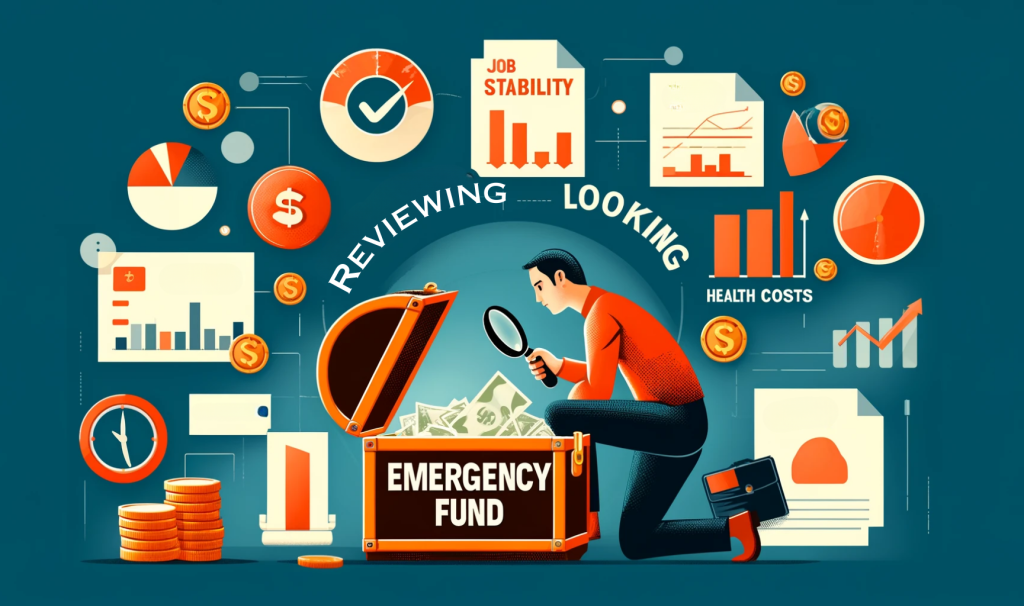
The situation of your life can vary from time to time and, likewise, so should your emergency fund. From time to time check up on your savings goals and make changes to them wherein your lifestyle alters, for example, a new job, a marriage, and a big family. Being that inflation, higher cost of living as well and other unknown factors may contribute to your ability to endure during an emergency, you should add it to your reflection.
Avoiding the Temptation to Dip into Your Emergency Fund
Keep avoiding the desire to take funds out of your emergency fund. The evil of an emergency fund lies in the fact of not getting to touch it even for non-urgencies. You must have a clear definition of what “emergency” comprises, and if so, apply that definition. Avert the possibility of purchasing stuff not necessarily using your savings or going on vacations.
Write a response that includes your moment, discuss how your observation capabilities have improved, and provide any additional recommendations you have for fellow visitors to the surrounding area. Being disciplined and persistent to reach your goal will eventually lead to high levels of financial security for you.
Conclusion
Building an emergency fund is crucial to financial resilience. By setting realistic goals, automating your savings, choosing the right account, and regularly reviewing your progress, you can create a safety net that provides peace of mind. Remember to avoid dipping into your fund for non-emergencies and stay focused on your long-term financial goals.
FAQs on Building an Emergency Fund
How much should I aim to save in my emergency fund?
Most financial experts recommend saving three to six months’ worth of essential expenses. However, your specific needs may vary based on job stability, lifestyle, and personal preferences.
How often should I review my emergency fund?
Review your emergency fund at least annually. Changes in your income, expenses, or family situation may require you to adjust your savings goals.
Where should I keep my emergency fund?
Keep your emergency fund in a separate high-yield savings account, money market account, or CD. Ensure that the account provides quick access and reasonable returns.
Should I prioritize an emergency fund or pay down debt first?
It’s generally best to have at least a small emergency fund before aggressively tackling debt. Even $500 can help prevent high-interest debt accumulation from unexpected expenses.
Can I use my retirement account as an emergency fund?
Retirement accounts are not suitable for emergencies due to penalties, taxes, and the loss of future growth potential. Keep retirement savings separate and build a dedicated emergency fund instead.
editor's pick

latest video

news via inbox
Nulla turp dis cursus. Integer liberos euismod pretium faucibua